
World-class hair transplant results. India's expertise. Your confidence.
ABHRS-certified surgeon | 15,000+ successful procedures | Trusted by patients from 15+ countries
Successful procedures
Years of experience
Patient satisfaction
Countries served
Grafts transplanted
Why clients choose Zeeva for their hair transplant
Save 70-80% vs USA/UK
Get world-class hair transplant results at a fraction of the cost. Our patients save thousands while receiving the same quality of care available at top clinics worldwide.
Same standards, Indian prices
Dr. Anchal Shah holds the prestigious ABHRS certification, the international gold standard for hair restoration surgeons. Identical protocols, equipment, and safety standards as leading Western clinics.
All-inclusive packages
Surgery, 4-star hotel accommodation, airport transfers, medications, and 12-month aftercare, everything bundled into one transparent price. No hidden costs, no surprises.
Start from anywhere
Begin your journey with a virtual assessment via WhatsApp or video call. Send your photos, get a personalised treatment plan, and make an informed decision, before you book your flight.
Dr. Anchal Shah
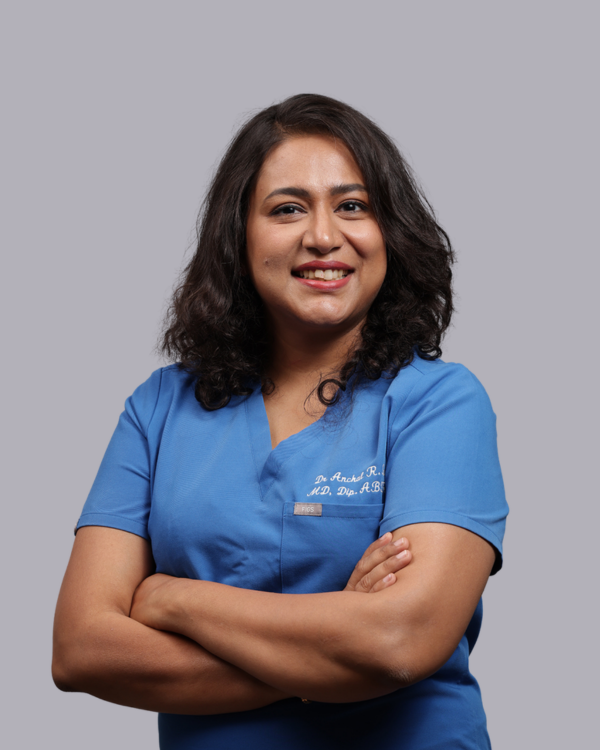
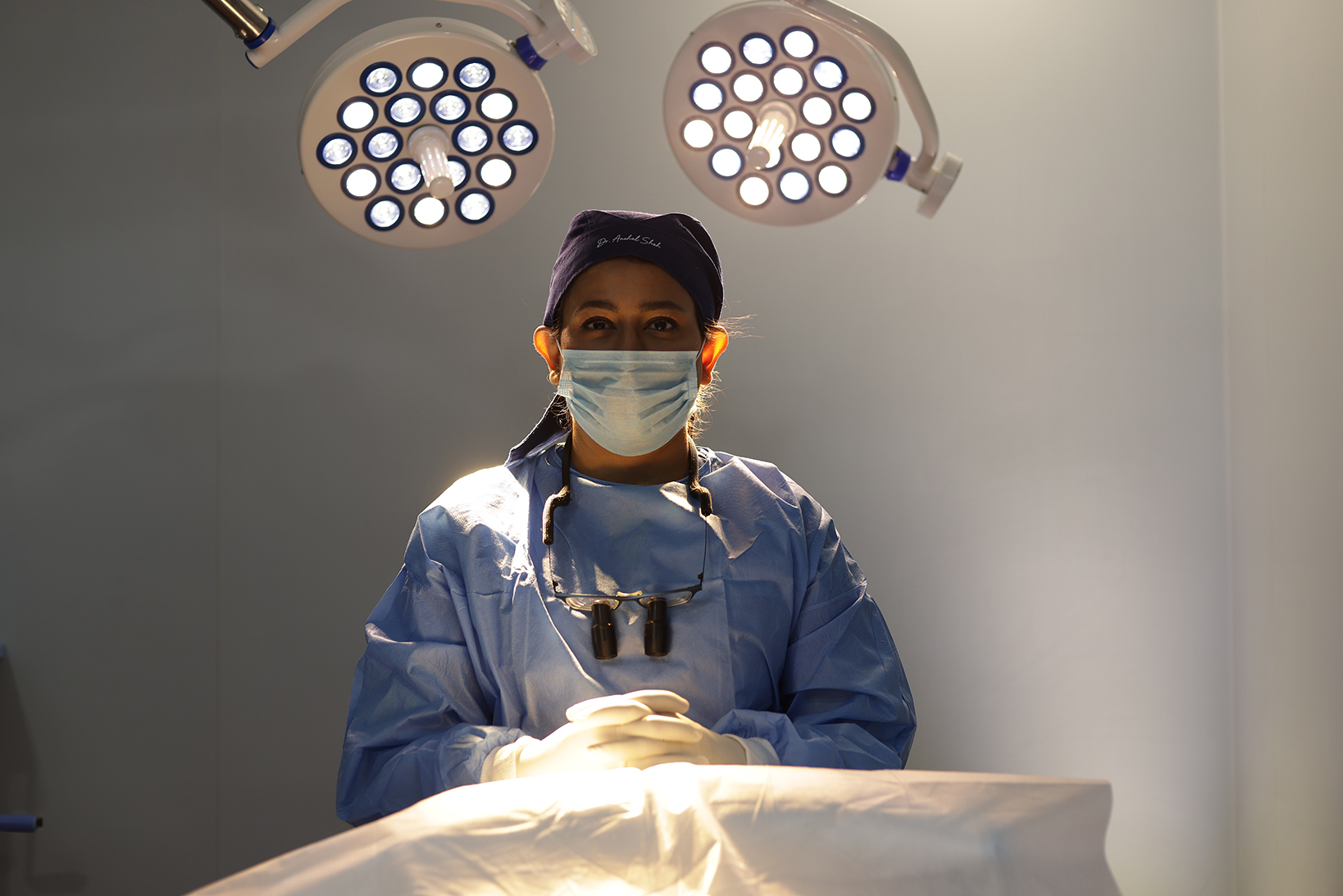
One of India's Only ABHRS-Certified Hair transplant Surgeons
MBBS | MD Dermatology | DNB Dermatology | Diplomate ABHRS | B.J. Medical College Alumna
Dr. Anchal Shah combines surgical precision with an artistic eye to deliver hair transplant results that look completely natural. With over 15 years of dedicated experience and 15,000+ successful procedures, she has earned the trust of patients across 15+ countries. Her philosophy centres on personalised care, every hairline is custom-designed to complement each patient's unique facial structure and aesthetic goals.
One of India's few female hair transplant surgeons
Why choose direct hair transplant?
Direct hair transplant uses CHOI Implanter technology to place every graft with precise control over depth, direction, and angle, helping deliver natural-looking density and refined hairlines.
Totally Safe
Strict protocols are applied at every stage to maintain patient safety. Zeeva Clinic follows internationally recognized quality and safety standards.
Maximum Graft Viability
Patented instruments ensure graft viability rate above 90%, while the industry average is about 50% as per independent studies.
Only by Doctors
The procedure from start to finish is performed by medical doctors, not technicians. Our surgeons are trained in CHOI Implanter technology.
Growth for Lifetime
Only healthy hair follicles are selected, excluding hair in telogen (resting) phase. This ensures permanent, lifelong growth from every implanted graft.
100% Natural Result
Full control of the depth, direction, and angle of each graft placement ensures results that are completely indistinguishable from natural hair growth.
Virtually Painless
Tiny disposable instruments with diameter of 1mm or less are used for both extraction and placement, making the procedure virtually painless with minimal recovery.
Advanced hair transplant techniques
FUE hair transplant
Follicular Unit Extraction for minimally invasive, scar-free hair restoration. Individual grafts are extracted and implanted with precision for natural-looking results.
Learn moreDirect hair transplant
CHOI Implanter technology for maximum density and control. Ideal for hairline restoration requiring artistic precision and natural direction.
Learn moreBeard & Eyebrow transplant
Specialized transplant techniques for facial hair restoration. Achieve fuller beards and perfectly shaped eyebrows with natural growth patterns.
Learn moreStem Cells in Hair
Regenerative stem cell therapy that reactivates dormant follicles and stimulates new hair growth. A cutting-edge, non-surgical approach backed by clinical research.
Learn moreEstimate your hair transplant cost
Select your technique and grade of baldness
Step 1, Choose technique
Step 2, Select grade of baldness
Your journey to a full head of hair
Virtual assessment
Send photos via WhatsApp. Receive your plan within 24 hours.
Personalized treatment plan
Our doctors design your custom procedure.
Book your trip
We help with travel dates, hotel, and pre-travel checklist.
Arrive in Ahmedabad
VIP airport pickup. Check into partner hotel. Meet your coordinator.
Your procedure day
Full procedure performed by Doctors. Same-day hotel return.
Lifelong aftercare
Post-procedure kit. 12-month WhatsApp follow-up with monthly photo check-ins.
Virtual assessment
Send photos via WhatsApp. Receive your plan within 24 hours.
Personalized treatment plan
Our doctors design your custom procedure.
Book your trip
We help with travel dates, hotel, and pre-travel checklist.
Arrive in Ahmedabad
VIP airport pickup. Check into partner hotel. Meet your coordinator.
Your procedure day
Full procedure performed by Doctors. Same-day hotel return.
Lifelong aftercare
Post-procedure kit. 12-month WhatsApp follow-up with monthly photo check-ins.
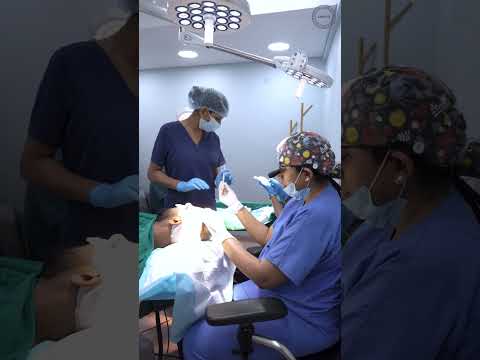
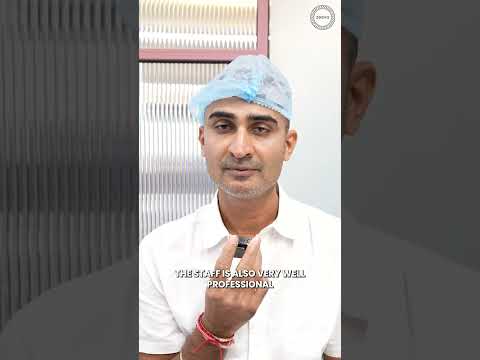
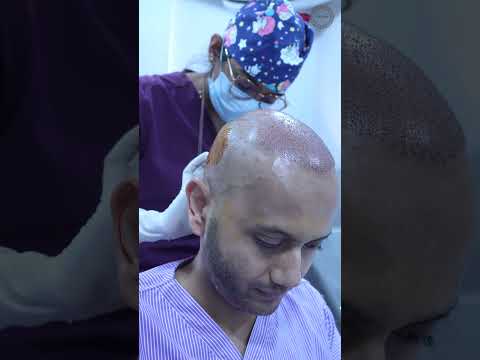
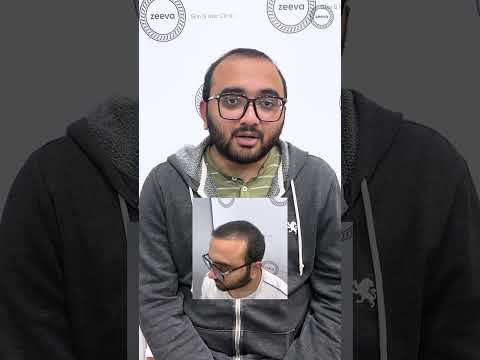
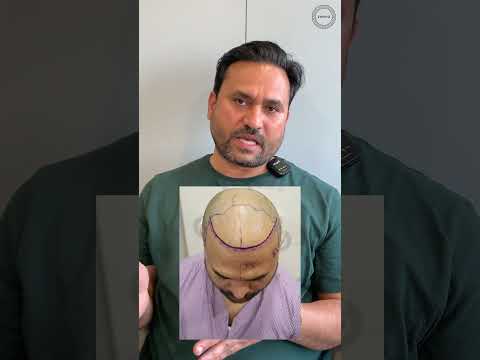
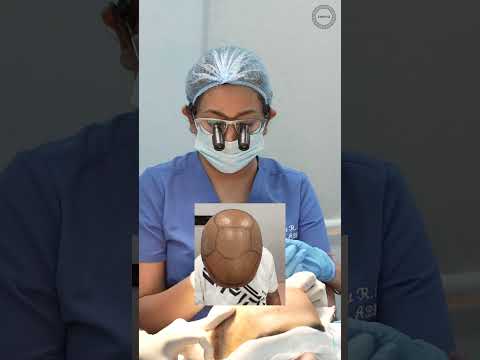
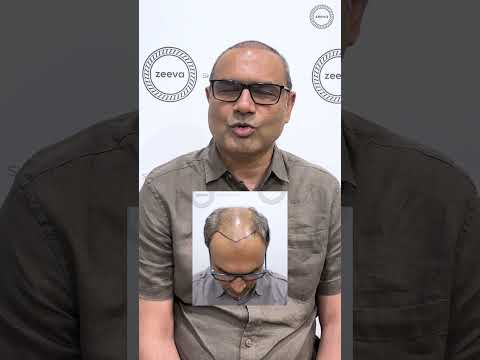
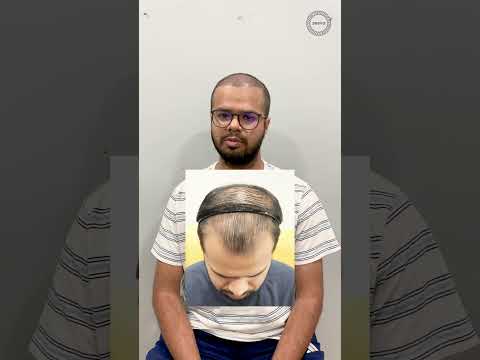
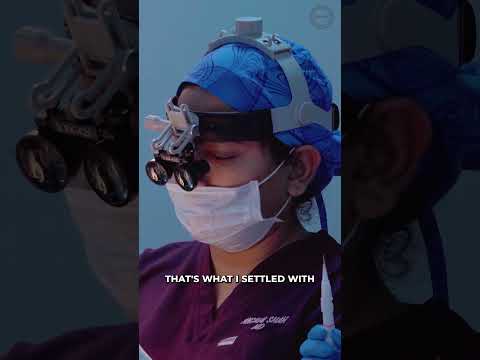
Hear from our patients

Common questions from International patients
A hair transplant is a surgery that moves your own hair from one part of your scalp to another. Most people have hair at the back and sides of the head that never falls out, even when the top and front thin out. This is called the donor area.
During the hair transplant process, a physician will surgically remove hair follicles in small groups known as grafts. After the removal of the grafts, these are placed in the balding and thinning areas of the scalp.
As this is the hair from the patient's body, it grows naturally after it has been placed. No color, artificial wig, or synthetic fiber is applied. The hair transplant process aims at giving results for a lifetime as the transplanted hair grows naturally, similar to how it grew in the donor area.
At Zeeva Clinic, every transplant is planned around your face shape, age, and the pattern of your hair loss, so the outcome looks like hair that grew there on its own.
Hair loss has several causes, and the reason often differs between men and women. In men, the most common cause by far is genetics, combined with a hormone called DHT, which slowly shrinks hair follicles over time.
In women, hormonal changes due to childbirth or menopause, thyroid problems, low iron and stress can be the cause of their hair loss.
Common causes include medical treatments, tensioning styles pulling hair follicles, infections of the scalp and some autoimmune diseases like alopecia areata. Aging inevitably makes hair thinner in all people although not in equal measure and at different rates.
The understanding of what specifically causes hair loss helps in finding appropriate therapy since, in case of genetic factors, transplantation or medicines might be necessary, whereas health-related hair loss might get cured when the main cause is eliminated. A proper examination of the scalp should be done by a specialist doctor.
Male pattern baldness, also called androgenetic alopecia, is the most common type of hair loss in men. It follows a fairly predictable pattern. It usually starts with the hairline receding at the temples, followed by thinning at the crown.
These two processes can come together, leaving a ring of hair that covers the back and sides of the head. This pattern develops due to the high sensitivity of the follicles to a substance known as DHT, which leads to hair follicle shrinkage and cessation of hair growth.
There are genes that determine sensitivity of your follicles; this is why male pattern baldness is hereditary. It can start as early as one's late teens and can go unnoticed till late 40s or even later in some cases.
Male pattern baldness is incurable, but manageable. The condition can be slowed down using medication during its initial stages and a hair transplant can restore density after the pattern has been set and stabilized.
The Norwood scale is a simple chart doctors use to describe how far male hair loss has progressed. It runs from Norwood 1, which means no visible hair loss, up to Norwood 7, which means very advanced baldness with only a thin band of hair left at the back and sides.
Each stage on the scale shows a slightly different pattern, such as a receding hairline only, a bald crown only, or both areas joined together. This matters because the stage of hair loss decides how many grafts are needed and which technique suits you best.
For example, someone at Norwood 3 usually needs far fewer grafts than someone at Norwood 6. It also helps set realistic expectations, since donor hair is limited and has to be used wisely across the areas that need it most.
At Zeeva Clinic, your Norwood stage is assessed during your consultation, either in person or through photos sent virtually. This forms the basis of your personalised treatment plan and cost estimate.
In some cases, yes. Non-surgical treatments can slow down hair loss and, in early stages, even help regrow thinning hair. These work best when the follicles are weak but not completely dead.
Medicated treatments applied on the scalp, pills from a doctor, as well as PRP, GFC and laser treatment in clinics – all these procedures seek to activate and extend the growth period of existing follicles.
However, after a follicle has been dormant for a long time, there is nothing we can do about that – neither cream, nor pill, nor treatment can revive a dormant follicle. Therefore, the earlier treatment begins, the more likely it will be successful and no surgery will be required.
Those who have advanced hair loss where there are big parts of a scalp with no follicles at all left, the only solution is transplantation. Many patients resort to using both treatments together, when transplanting is used to fill out the bald spots while non-surgical treatments are used to preserve existing hair.
A hair transplant is a surgical procedure that moves your own living hair follicles into thinning or bald areas. Once healed, this hair grows on its own for the rest of your life, just like the rest of your natural hair.
Hair patch or hair fixing or hair replacement system is non-surgical alternative to hair transplantations. Hair patch is artificial piece of material with human hair or artificial hair attached to it. The hair patch is applied to the scalp with special adhesives or clips.
The advantages of hair patches are the instant effect and lower initial cost; however, their maintenance is required on regular basis, and they do not allow participating in certain activities such as swimming or hard physical work.
Hair transplantation is more expensive at the beginning and requires more time to show full effect, approximately one year. However, after that period of time, hair transplantation will provide you with permanent and easy-to-manage hair because it will be your own hair growing from your own scalp.
After these follicles are moved to another place, they remain immune to it. Thus, the transplanted hair cannot be lost because of the very same genetic reasons that caused baldness initially.
It is necessary to remember that the effect is permanent only when it concerns the transplanted hair grafts and does not apply to your natural hair at all. The latter can go on thinning even after the procedure because the hair loss process may continue actively.
That is why, many doctors advise performing some sort of treatment in addition to the transplantation procedure, especially in case of young patients. This way, they preserve non-transplanted hair and maintain the natural look of the result for a long period of time.
In most cases, clinics advise to wait until reaching mid-20s, when the hair loss becomes steady. It is due to the fact that hair loss in young men is often unpredictable and will keep progressing after the surgery.
Performing a transplant prematurely can result in continuous thinning of the natural hair and the unnatural island-like patch of the transplanted hair in the area surrounded by baldness. In this way, waiting allows planning a natural hairline and hair density pattern, which will look natural in many years.
As far as the upper age limit for hair transplant is concerned, it is non-existent in principle. Hair transplant is possible as long as one is in a good condition overall and has sufficient quantity of donor hair. The number of successful surgeries in people aged fifty or even sixty is impressive.
Dr. Anchal Shah from Zeeva Clinic analyzes every case individually instead of taking age into account as the only criterion.
A hair transplant is not limited to men. Many women experience hair thinning, and a transplant can be an effective way to restore density and confidence for the right candidate.
When compared to male pattern baldness, there are some differences when it comes to hair loss among women. Rather than a receding hairline, what most women would see is a widening parting or thinning throughout the crown region while their donor area remains dense.
This is why female hair loss must be assessed by the doctor carefully prior to any hair transplant. There will be a thorough evaluation on the possible medical reasons for hair loss such as the existence of a thyroid disorder or hormonal imbalance which may help improve hair growth in an alternative way aside from surgery. When the reason for the hair loss is genetic and the pattern is stable, it is safe to undergo the surgery.
Some of the techniques that are used for women are no-shave or partial-shave techniques since there would still be other hair that could cover the treatment area.
Normally, a good candidate will have sufficient donor hair that is healthy on the scalp at the back or sides and a relatively stable hair loss pattern. General good health is another requirement since this is a surgical treatment procedure.
Age is another criterion. Young patients below 25 years are always advised to wait for the hair loss pattern to stabilize so as to achieve lifelong natural results. There could be some scalp problems or infections that have to be sorted out as well.
The only sure way to confirm whether you are eligible is through an assessment. This is where you will have your scalp examined, and donor hair density and quality determined together with your medical background and hair loss history.
Here at the Zeeva Clinic, we can do this either physically by visiting us at our clinic in Ahmedabad or virtually by sending us photos via WhatsApp. We will get back to you within 24 hours and advise you on your eligibility for treatment, number of grafts, and the expected results.
Start your consultation today
Book your assessment
Get a personalised hair restoration plan