Corrective & Revision Surgery
Hair transplant repair
Not every hair transplant delivers the promised results. If you are unhappy with a previous procedure, unnatural hairline, visible plugs, poor density, or scarring, Dr. Anchal Shah specializes in corrective surgery to restore natural-looking results.

What is Hair transplant repair Surgery?
Hair transplant repair (also called corrective or revision surgery) addresses unsatisfactory outcomes from previous hair transplant procedures. This includes unnatural hairlines, visible "pluggy" grafts, poor growth, inadequate density, or donor area scarring.
Repair surgery is among the most complex procedures in hair restoration. It requires an expert understanding of hairline design, graft removal/repositioning, scar camouflage, and strategic use of limited remaining donor resources.
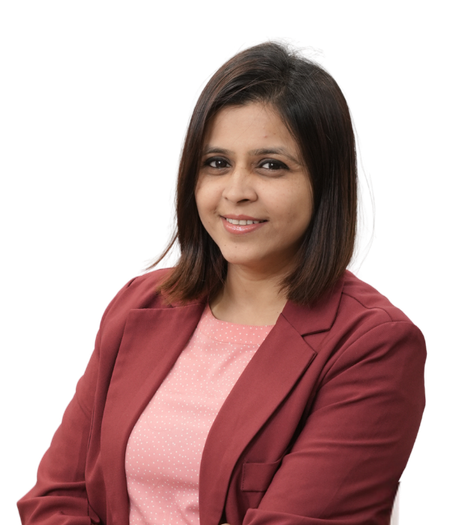
Dr. Anchal Shah has extensive experience in corrective work, having helped numerous patients who received substandard transplants at other clinics, both in India and abroad. Her approach combines artistic vision with surgical precision to transform disappointing results into natural ones.

How we perform Hair transplant repair at Zeeva
Every step is personally performed by Dr. Anchal Shah, with no technicians and no shortcuts.
Comprehensive review
The Zeeva Clinic team reviews the previous transplant: hairline design, graft quality, scarring, remaining donor supply, and your goals for correction. A detailed corrective plan is created.
Local anesthesia
Comfortable anesthesia is administered. Repair procedures may be longer than primary transplants, so comfort is prioritized.
Corrective extraction / repositioning
Misplaced grafts may be removed or repositioned. Plug-like grafts can be broken down into individual follicular units. Every step performed by Dr. Anchal Shah personally.
Refined Channel creation
New channels are created at natural angles to correct the hairline and density pattern. Scar camouflage channels may also be created in the donor area.
Precision re-implantation
Grafts are placed to create a natural hairline, improve density, and camouflage previous work. Every graft implanted by Dr. Anchal Shah personally.
Key differentiator: Every graft extracted and implanted by Dr. Anchal Shah personally. No technicians handle the critical surgical steps.
Am I a Candidate for Repair Surgery?
Ideal candidates
- ✓Unnatural or "pluggy" looking hairline from a previous transplant
- ✓Poor growth or low density from a previous procedure
- ✓Visible scarring in the donor or recipient area
- ✓Hairline placed too low or too high
- ✓Grafts placed at wrong angles creating unnatural appearance
- ✓Over-harvested donor area needing scar camouflage
May not be ideal for
- ✗Patients still within the 12-14 month growth period of their last transplant
- ✗Those with severely depleted donor areas with no viable grafts remaining
- ✗Unrealistic expectations about what correction can achieve
Before and after results
Real patient results from Zeeva Clinic. All procedures performed by Dr. Anchal Shah.

 BeforeAfter
2,500 grafts
India

 BeforeAfter
2,000 grafts
United States
BeforeAfter3,000 grafts
United Kingdom
BeforeAfter1,800 grafts
UAE
BeforeAfter2,200 grafts
Australia
BeforeAfter2,800 grafts
Canada
FUE vs direct hair transplant technique comparison
Understand the differences to make an informed decision with Dr. Anchal Shah.
| Feature | FUE | Direct hair transplant |
|---|---|---|
| Extraction method | Individual follicles via micro-punch | Individual follicles via micro-punch |
| Implantation | Pre-made channels, then graft placement | CHOI implanter placement without pre-made channels |
| Scarring | Tiny dot scars (nearly invisible) | Tiny dot scars (nearly invisible) |
| Recovery time | 7-10 days | 7-10 days |
| Graft survival rate | 95-98% | 95-98% |
| Max grafts per session | 4,000-5,000 | 3,000-4,000 |
| Shaving required | Yes (donor area) | Partial / No-shave option |
| Best for | Large areas, versatile | Hairline refinement, density boost |
| Cost (INR) | From ₹75,000 | From ₹90,000 |
Recovery timeline
Procedure day
Similar to primary transplant recovery. Swelling and numbness. Bandage applied. Rest recommended.
Initial healing
Scabs form around new grafts. Existing transplanted hair in the area is carefully managed. Gentle washing begins Day 3.
Shedding phase
New grafts shed (normal). The corrective changes to the hairline become apparent as swelling resolves.
Early growth
New hair begins to emerge in corrected areas. Early signs of improved naturalness visible.
Visible improvement
Significant improvement in hairline naturalness, density, or scar camouflage. Corrective work taking shape.
Final results
Full results of corrective surgery visible. Natural-looking hairline and improved density. Scars well-camouflaged.
Pricing
Starting at
₹80,000
Repair surgery pricing varies significantly based on the complexity of correction needed. Detailed assessment required before quoting.
Frequently asked questions
The signs are usually easy to spot once you know what to look for. The most common one is an unnatural hairline. It may sit too low, look too straight or too even, or have a sharp edge instead of a soft one. Another sign is hair that grows in the wrong direction.
Other signs include "pluggy" grafts, which look like small tufts or tufts of hair spaced in rows. Low density is also common. This means the transplanted area stays thin even after a full year. Visible scarring in the donor area, such as a long line or patchy dots, is another reason people look for repair.
Timing matters. A transplant takes twelve to fourteen months to show its full result. If you are only six months in, the hair may still be thickening. Judging too early can lead to worry that is not needed. It is wise to wait until the growth period is complete before deciding.
If you are not sure, send clear photos to the clinic. Dr. Anchal Shah will look at your hairline, density and donor area, and tell you honestly whether a repair would help. In some cases, no surgery is needed. Other times, a small fix or a different approach gives a good result.
There are several common reasons. One is poor hairline design. A hairline placed too low, too straight or too symmetrical looks artificial. Natural hairlines are slightly uneven and soft at the edge. A surgeon needs a good eye and a lot of practice to copy this.
Another reason is the wrong angle or direction of the grafts. Natural hair grows at a set angle, and it changes across the scalp. If grafts are placed at the wrong angle, the hair can stick out or lie flat in an odd way. This is easy to see, especially at the front.
Older techniques also play a part. Large grafts from older methods can look like tufts. Modern FUE and direct hair transplant use single follicular units, which look far more natural. If a clinic still uses outdated methods, the result may look dated.
Finally, who does the work matters. In some clinics, technicians do the key steps while the doctor is not present. This can lead to inconsistent results. At Zeeva Clinic, Dr. Anchal Shah personally performs the extraction and implantation. Asking who does each step is one of the best ways to protect yourself. Knowing these causes helps you ask better questions when you compare clinics for any future work you may plan.
Yes. Many patients come to Zeeva Clinic for repair after a transplant done in another city or another country. The surgeon looks at the result, the donor area and the records, and then plans a correction. The location of the first surgery does not stop a repair.
International patients should send as much information as they can before travelling. This includes clear photos from different angles, the date of the surgery, the technique used and the number of grafts. Any report from the first clinic also helps. The team can then give a first opinion by video or photos.
The same care applies as for any repair. The surgeon checks how much donor hair is left, how the hairline looks and where the problems are. A plan is made before you travel, so you know what to expect. A full check on arrival confirms the plan.
Travelling for repair is common. Many patients find that the cost in India, even with travel and a hotel stay, is lower than a repair at home. All-inclusive packages are available for the stay and transfers. Ask the team how long you would need to stay. Most repairs need a few days in Ahmedabad.
Repair surgery usually takes longer than a first transplant. A simple correction may take a few hours, but a full repair can need a full day. The reason is that the surgeon has to work around existing grafts, scar tissue and a reduced donor supply.
Different steps may be needed in one day. Some grafts may be removed or moved. Pluggy grafts may be broken down into single follicular units. New channels are made to improve the hairline, and new grafts are placed. Donor scars may also be camouflaged. Each step takes time and care.
Some cases need more than one session. If the problem is large, or the donor supply is limited, the surgeon may split the work. A gap of around a year between sessions lets the first area heal and grow before more is done. This also protects the donor area from being over-used.
Recovery is similar to a first transplant. You can expect swelling and small scabs in the first week, and new growth from around month three. The full result of repair is usually seen at twelve to fourteen months. Dr. Anchal Shah will give you a clear plan and time frame after your assessment.
Often they can, but it depends on the case. Grafts that were placed in the wrong direction or in the wrong place can be taken out using the same FUE method. They can then be placed again in a better spot. This is one way to correct a poor result.
Removal has limits. Each time a graft is moved, it faces some risk of damage. Not every graft survives a second move. The surgeon will also think about how much hair is left, and whether the area can look natural once the unwanted grafts are gone.
In some cases, it is better to leave the grafts and work around them. For example, if a hairline is too low but the hair is healthy, the surgeon may add finer grafts in front to soften it. Or they may remove only some of the grafts. The choice depends on what will give the best look.
An honest assessment is key. Dr. Anchal Shah will look at your hairline from several angles and explain the options. She will tell you which grafts are worth keeping, which should be moved and what the likely result is. You should not feel pressured. A good plan is slow and careful.
In many cases, yes. A hairline that sits too low can look odd, especially as you get older. A straight, even line also looks artificial. Repair work aims to give a softer, more natural shape that suits your face and age.
The surgeon has a few tools. Some grafts at the front may be removed and moved to a better place. Fine single hair grafts can be added in front of or around the line, to break it up and make it look softer. The hairline is then reshaped, with small irregular groups of hair instead of a hard edge.
This work needs a lot of skill. The surgeon must plan the new hairline so it still looks right as you age. A low hairline that suits a twenty year old may look strange at forty. The new design is based on your face, age and pattern of hair loss.
If the hairline has also been over-treated, there may not be much donor hair left. In that case, the surgeon may use body hair or beard hair for extra grafts. Dr. Anchal Shah will check the options at your assessment. You will see a design drawn on your forehead before any work begins, so you can agree on it.
Yes, it can be a useful tool in some cases. Scalp micropigmentation, often called SMP, places tiny dots of pigment in the scalp to give the look of short hair or higher density. It can help cover scars and thin areas without using any donor hair.
SMP is often used for donor area scars. If an old strip surgery left a long line across the back of your head, SMP can blend the line into the hair around it. This works well for men who want to keep a very short haircut.
It can also add the look of density to a thin transplant. If your donor hair is limited and a second transplant is not possible, SMP can improve the look at the hairline or middle. It does not grow hair, so it works only as a visual aid.
SMP can be used on its own or with a repair transplant. The surgeon may suggest a combination, with grafts for areas that can grow hair and SMP for scars. Results last several years and may need a touch up. Ask the team whether SMP could help you. Dr. Anchal Shah can advise based on your scalp and goals. Ask the team to show you examples of SMP used after transplants, so you can judge the look for yourself.
The more information you have, the better the plan. Bring clear photos of your hair before the first transplant, if you have them. Photos taken at different stages, such as one month, six months and twelve months, are also very useful.
Bring any records from the first clinic. These include the date of surgery, the technique used, the number of grafts and the name of the surgeon. A discharge note, a bill or a report can all help. If you do not have them, write down what you remember.
List all the medicines you take, including hair medicines such as finasteride or minoxidil. Also note any health conditions or allergies, and any previous surgeries. This helps the surgeon plan the anaesthesia and aftercare safely.
Think about your goals and write them down. Do you want a softer hairline, more density or less visible scars? Being clear about this helps the surgeon give honest advice. If you cannot visit in person, you can send photos by WhatsApp or video call first. The team will tell you what they can see and what a full check needs to confirm. Do not worry if you have little paperwork, since the team can still assess the result by looking at your scalp and photos.
Repair carries the same basic risks as a first transplant, such as swelling, scabs and temporary shedding. It also has a few extra points to consider. These come from the fact that the surgeon is working on skin and hair that has already been treated.
Scar tissue is one. Scarred skin has less blood supply, so grafts may not grow as well as in healthy skin. The surgeon may need to use more grafts or place them with extra care. Results in scarred areas can be less predictable, and a second session may be needed.
Donor supply is another. If a lot of hair was used in the first transplant, there may be less left. Over-harvested areas can look thin, and the surgeon must be careful not to take too much more. This is why a detailed check of the donor area is part of every repair plan.
The final risk is expectation. A repair can improve the look a great deal, but it may not give a perfect result. Some marks may remain, and some hair loss cannot be undone. A clear, honest talk before surgery helps you decide. Choosing an experienced surgeon who personally performs the work lowers the risk of further problems.
At Zeeva Clinic, hair transplant repair starts from around ₹80,000. The final price varies a great deal, because every repair is different. A small touch up costs much less than a full rebuild of the hairline and density.
Several things set the price. The first is the number of grafts needed. The second is the type of work. Removing and moving old grafts, breaking down pluggy grafts and camouflaging scars take more time than placing new grafts alone. The third is the state of your donor area.
Because of this, a firm quote needs a proper assessment. The team will look at your photos or your scalp, and ask about the first surgery. They cannot give a fair price without seeing the problem. Be wary of any clinic that quotes a fixed price for a repair without examining you.
International patients can ask about all-inclusive packages for the stay, transfers and aftercare. Ask what is included and whether a second session is covered. Compare the cost of repair with the long term cost of living with an unnatural result. A repair done well by an experienced surgeon is often a better choice than a cheap fix that needs to be redone.
Repair can make a big difference, but it works within limits. The aim is a natural hairline, better density and less visible scars. It is not always possible to restore a full head of hair, especially if the donor supply is low.
The results are often best when the problem is clear and the donor hair is good. A hairline that is too low or too straight can be softened. Pluggy grafts can be broken down and placed again. Scars can be helped by adding hair into them. Many patients see a clear change.
Some things are harder to fix. If a lot of donor hair has been used, you may not be able to get high density. Scar tissue may give only a partial result. In such cases, the surgeon may suggest SMP or body hair to add more cover. A good surgeon will tell you what is not possible as well as what is.
Results take time. Expect shedding in the first month, new growth from month three and a final result at twelve to fourteen months. Ask to see before and after photos of repair cases like yours. An honest goal at the start leads to far greater satisfaction later. Dr. Anchal Shah will explain what a realistic goal looks like before you decide.
Ready to get started?
Book an assessment with the Zeeva Clinic team. Get a personalised treatment plan, honest assessment, and transparent pricing with clear next steps.
- Video assessment with the Zeeva Clinic team
- Personalised treatment plan and cost estimate
- Before/after photos of similar cases shared
- All-inclusive packages for international patients
Book your assessment
Get a personalised hair restoration plan