
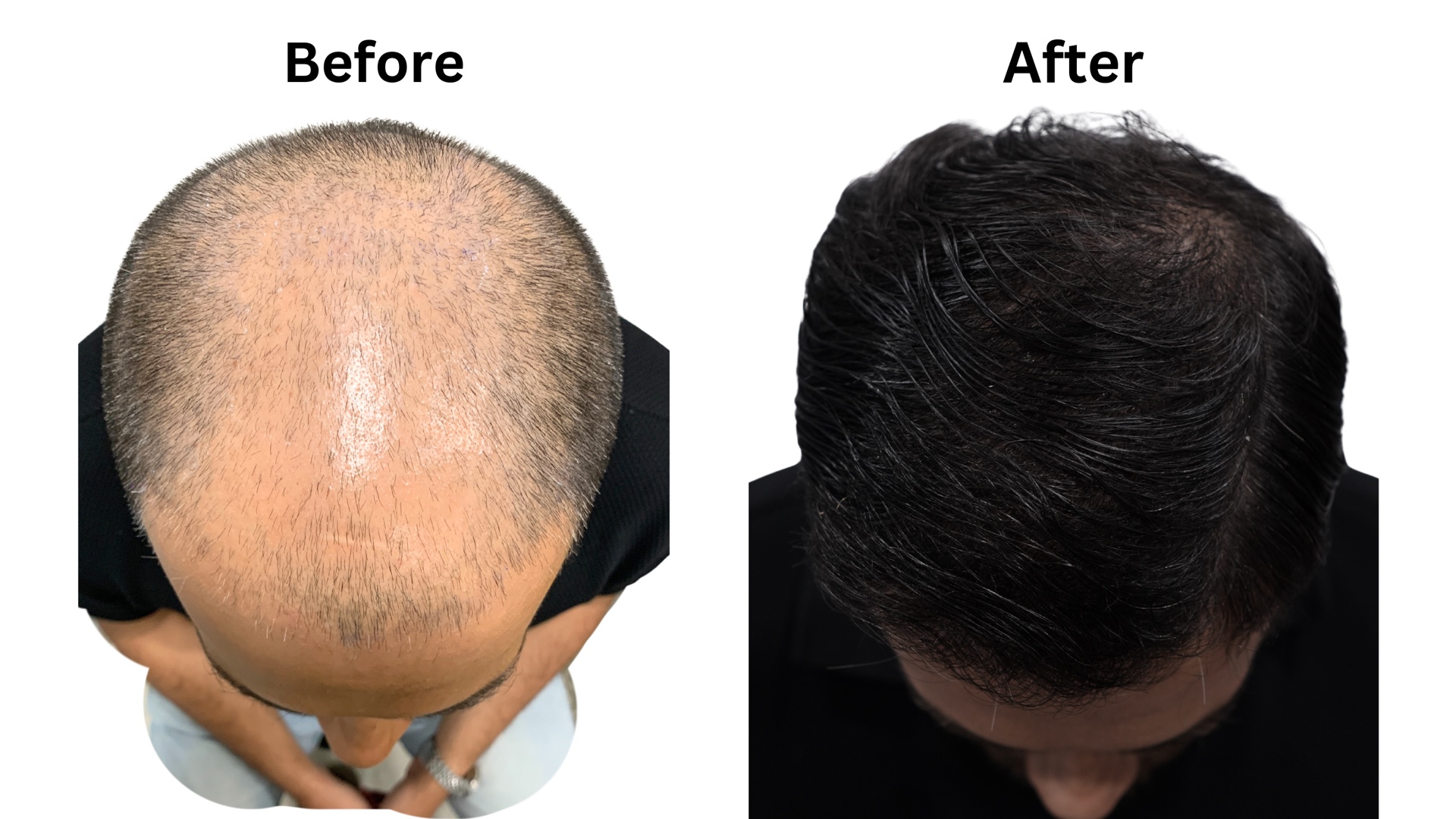
Real patient result
Hair transplant results for men
View natural before and after transformations from Zeeva Clinic's advanced direct hair transplant cases.
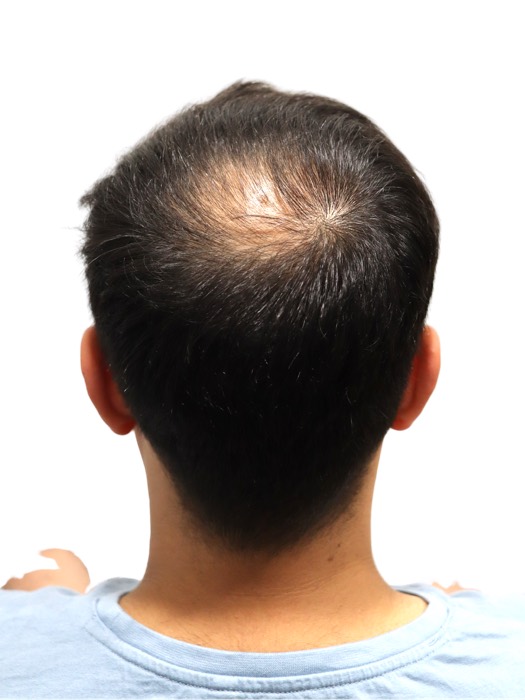
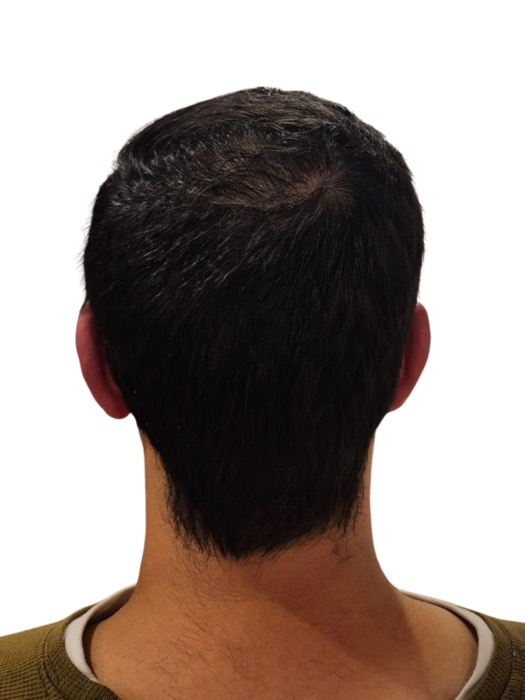
Crown area treated with 1600 grafts, showing dense and natural-looking coverage at 6 months with advanced direct implantation.
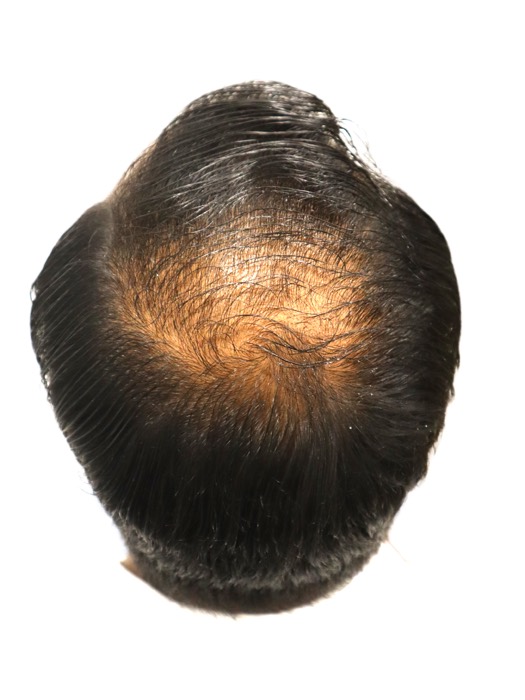
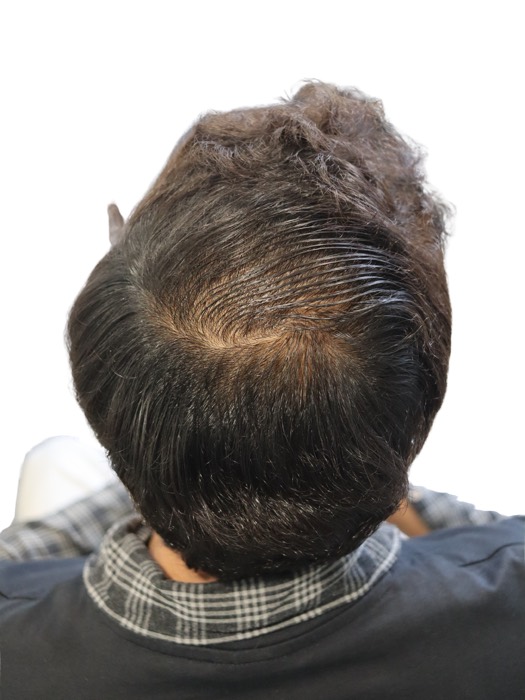
A total of 3500 grafts enhanced the crown area, showing full coverage and natural density results at 11 months with the direct hair transplant method.
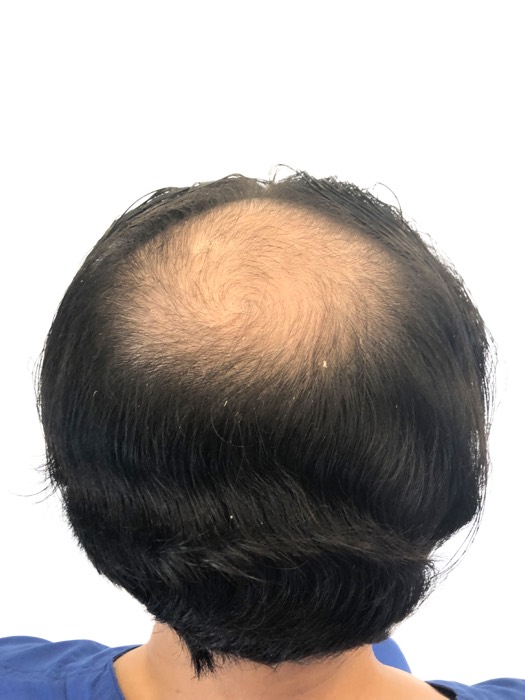
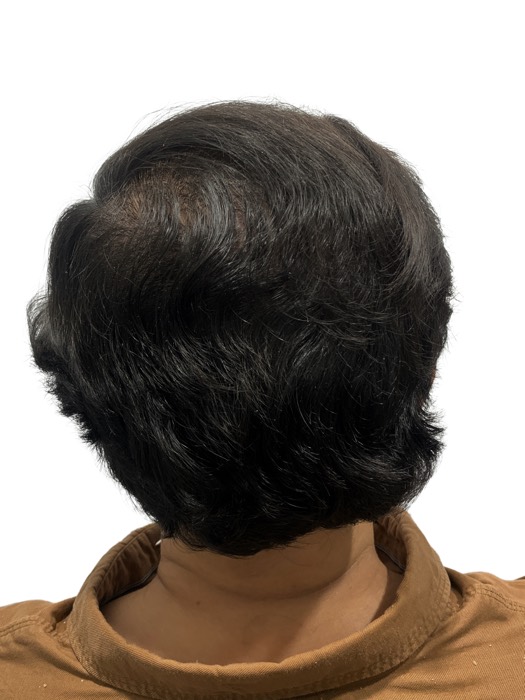
Crown restoration with 3700 grafts, achieving natural density and complete coverage over a 2-year period using CHOI Implanter technology.
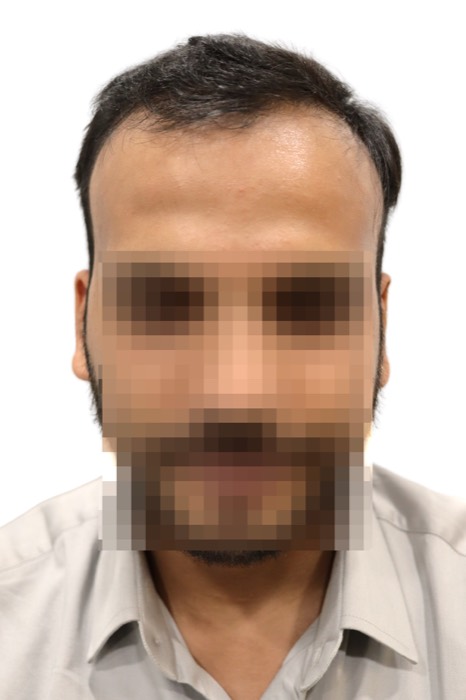
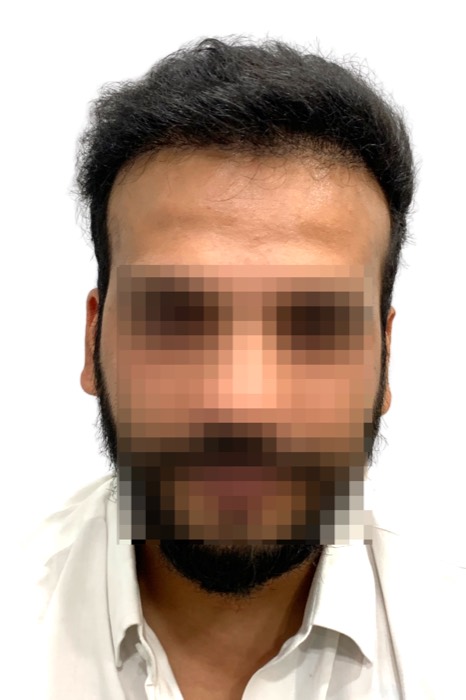
A total of 4000 grafts enhanced the crown region, delivering full coverage and natural density results at the 6-month mark with the direct hair transplant method.
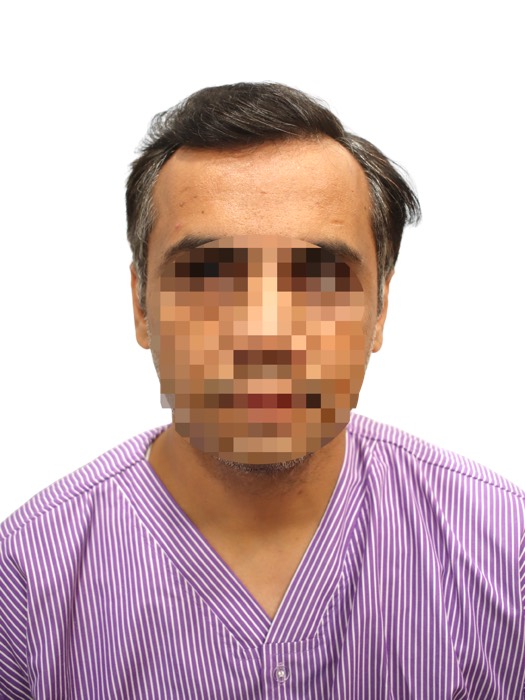
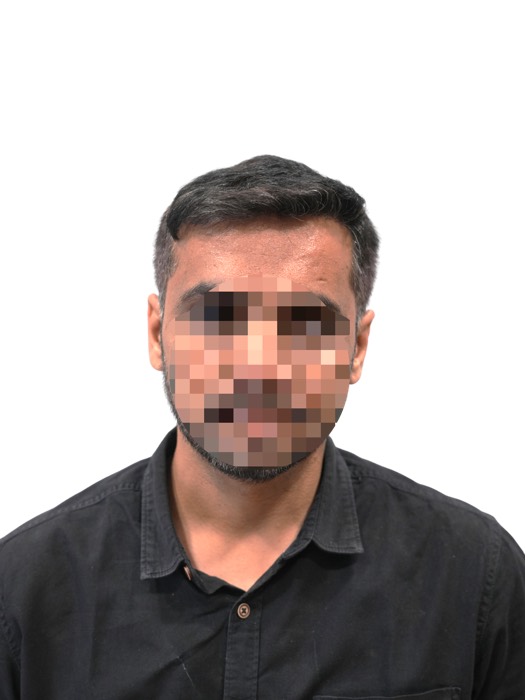
Balanced coverage across the front and crown achieved with 3100 grafts, demonstrating natural growth and density after 7 months using CHOI Implanter technology.
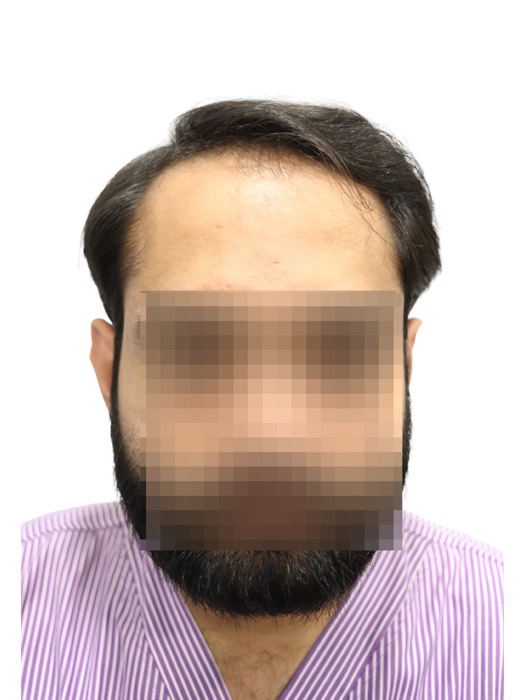
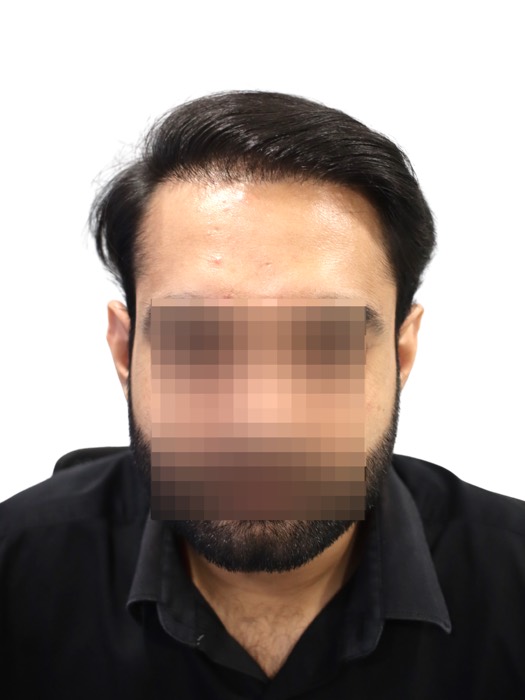
Balanced hair restoration across the frontal region and crown with 2200 grafts, demonstrating long-term density and full coverage using CHOI Implanter technology.
Hair transplant results FAQs
Hair transplant results take time to appear fully, and understanding this timeline helps manage expectations. In the first two to three weeks after surgery, the scalp heals, and it is normal for the newly transplanted hairs to shed temporarily.
Around three to four months after the procedure, new hair growth typically begins. At this stage, the hair is often fine and thin, so the change may not be dramatic yet. Patience is important during this phase, since this is when many patients start to worry unnecessarily.
Between six and nine months, growth becomes noticeably thicker and denser. By this point, most people can see a clear improvement and often start styling their hair normally again.
The final result is usually visible between twelve and eighteen months after surgery, once the hair has reached its full thickness and texture. This gradual timeline is completely normal and applies to nearly every patient, regardless of which clinic or technique is used.
Shock loss refers to the temporary shedding of hair that happens a few weeks after a transplant, and it can be alarming if you do not know to expect it. It typically occurs between two and four weeks after the procedure.
During this phase, the hair shafts that were transplanted fall out, even though the follicle underneath remains alive beneath the skin. This can make it look, briefly, as though the transplant has not worked, which understandably causes concern for many patients.
In reality, shock loss is a normal and expected part of the hair growth cycle. Each follicle goes through a resting phase before entering a new growth phase, and shedding the old hair shaft is simply part of that natural process.
New hair typically begins to regrow from the same follicles within a couple of months, gradually becoming thicker over the following year. Your clinic should explain this clearly before your procedure, so that when it happens, you recognise it as a normal stage rather than a sign of failure.
Recovery from a hair transplant happens in stages, with the most noticeable healing taking place within the first two weeks. Immediately after surgery, mild swelling, redness, and tenderness are common in both the donor and treated areas.
Small scabs form around each graft within the first few days and usually fall away naturally by around day ten. Most patients feel comfortable returning to light daily activities and desk-based work within seven to ten days after the procedure.
Strenuous exercise, heavy lifting, and swimming are generally best avoided for around two to three weeks, since sweating and physical strain can disturb the healing grafts. Direct sun exposure on the scalp should also be limited during this early period.
While the visible healing is largely complete within a couple of weeks, full recovery in terms of hair growth takes much longer, often up to a year. The early recovery period is mainly about protecting the grafts so they can settle in successfully for that longer growth journey ahead.
Hair transplant success is usually measured by something called the graft survival rate, which is the percentage of transplanted follicles that take root and grow permanently in their new location. Leading clinics generally report survival rates of 90 to 98 percent.
This high success rate depends heavily on a few key factors. The surgeon's skill in extracting and handling grafts gently is the single biggest influence, since rough handling or long delays outside the body can damage delicate follicles.
The technique used also plays a role. Direct implantation methods, which reduce the time grafts spend outside the body, tend to support slightly higher survival rates compared to older techniques. Patient aftercare matters too, since protecting the scalp properly in the first two weeks directly affects how many grafts survive.
At Zeeva Clinic, careful graft handling and a doctor-led approach throughout the procedure are central to maintaining consistently high survival rates and natural-looking, dense results across the vast majority of patients.
Yes, when performed by a skilled surgeon, transplanted hair should be impossible to distinguish from hair that grew there naturally. Achieving this natural look depends on more than simply moving hair from one place to another.
The angle, direction, and density at which each graft is placed all matter enormously. Natural hair does not grow perfectly straight or evenly spaced. It grows at slightly varying angles and directions, often more densely towards the front and gradually thinning slightly further back.
A skilled surgeon studies your existing hair pattern and recreates this natural variation when placing grafts, rather than lining hairs up in a uniform, artificial-looking row. This attention to detail is what separates a natural result from an obviously surgical one.
The design of the hairline itself is equally important. It needs to suit your face shape and age, since a hairline that looks too young or too straight can appear unnatural, even with perfectly healthy hair growth. At Zeeva Clinic, this personalised hairline design is central to every procedure.
The hair used in a transplant is taken specifically from the donor area, usually the back and sides of the scalp, because this hair carries a natural resistance to the hormone responsible for pattern baldness. Once transplanted, it keeps this same resistance.
This means the transplanted hair should not fall out due to the same genetic process that caused your original hair loss. In this sense, the results of a well-performed transplant are considered permanent for those specific grafts.
It is worth noting that transplanted hair can still be affected by other general factors, such as ageing, poor scalp health, certain illnesses, or severe stress, in the same way any hair on your body might be. These effects are usually mild and gradual, rather than a return of pattern baldness.
To protect your results long term, many surgeons recommend continuing supportive treatments for any hair that was not transplanted, since that surrounding hair remains just as vulnerable to ongoing genetic hair loss as it was before your procedure.
Yes, this is an important point that is sometimes overlooked. A hair transplant only makes the transplanted grafts permanently resistant to pattern baldness. It does not protect the hair around those grafts that was not moved during surgery.
If your hair loss is still active, the surrounding natural hair can continue to thin over time, even after a successful transplant. This is particularly relevant for younger patients, whose hair loss pattern may not have fully settled yet.
Over several years, this can sometimes create an uneven appearance, where the transplanted area stays thick while nearby untreated hair continues to thin. This is one of the main reasons surgeons often recommend waiting until hair loss has stabilised before planning a transplant.
To help prevent this, many patients combine their transplant with ongoing treatments such as medication or supportive therapies for the surrounding hair. During your consultation, a good surgeon will discuss this long-term picture with you, rather than focusing only on the immediate result.
For most patients, a single session is enough to achieve their desired result. This is especially true for people with mild to moderate hair loss, where the number of grafts needed fits comfortably within one procedure.
For patients with very advanced baldness, or those wanting extremely high density across a large area, a second session is sometimes recommended. This is usually planned several months to a year after the first, once the initial results have settled and any remaining donor hair has been reassessed.
Multiple sessions are more common in cases involving repair of a previous poor transplant, where additional grafts are needed to correct density or hairline shape, alongside fixing earlier mistakes.
The right approach depends entirely on your specific hair loss pattern, the number of grafts required, and how much healthy donor hair is available. During your consultation, the surgeon will explain clearly whether your case is likely to need one session or more, so you can plan your time and budget accordingly.