
Before your procedure
Proper preparation is one of the most important factors in achieving excellent hair transplant results. Follow this guide carefully in the weeks leading up to your procedure to ensure the best possible outcome.
Pre-procedure checklist
Complete each item on this checklist to ensure you are fully prepared for your hair transplant. If you have any questions about a specific item, contact our team.
What to Bring
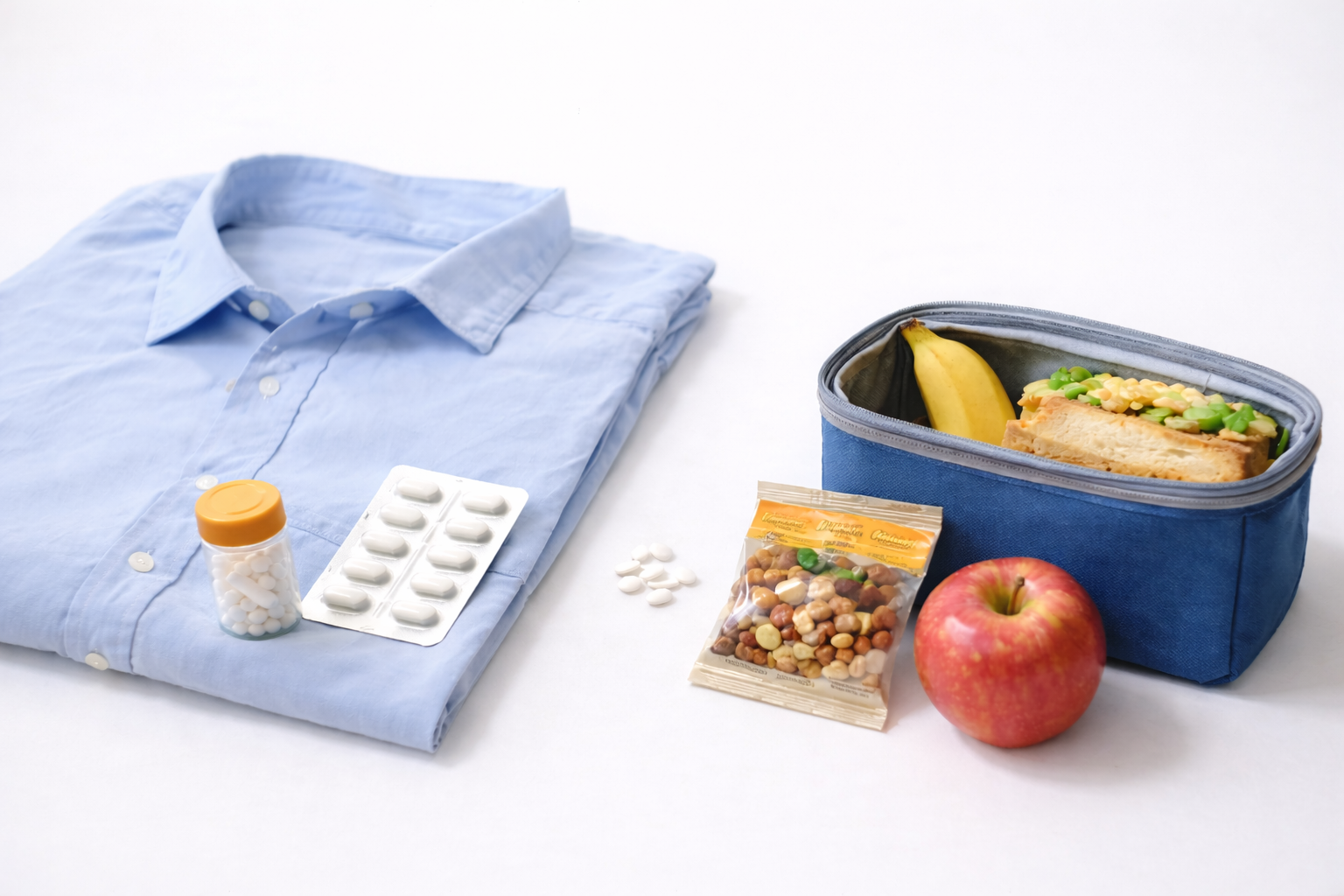
Pack these items the evening before your procedure so you are not rushed on the morning of surgery.
- ✓Government-issued photo ID (Aadhaar, passport, or driving licence)
- ✓Comfortable, button-down shirt or hoodie with a front zip
- ✓Personal entertainment, headphones, a book, or a tablet for the procedure
- ✓Any prescribed medications you need to take during the day
- ✓A hat or cap for sun protection on the journey home (loose-fitting, not tight)
- ✓Light snacks if you prefer your own food during the lunch break
- ✓Contact details of your ride home
Medications & Supplements to Avoid
Certain medications and supplements can increase bleeding, impair healing, or interact with the local anaesthesia used during the procedure. Review this list carefully and consult Dr. Anchal Shah if you have any concerns.
| Medication / Supplement | When to Stop | Reason |
|---|---|---|
| Aspirin (and aspirin-containing products) | Stop 7 days before | Increases bleeding risk during graft extraction |
| Ibuprofen (Advil, Brufen) | Stop 7 days before | Thins blood and impairs clotting |
| Vitamin E supplements | Stop 7 days before | Can increase bruising and bleeding |
| Fish oil / Omega-3 supplements | Stop 7 days before | Natural blood-thinning effect |
| Minoxidil (Rogaine) | Stop 3 days before | Can increase scalp sensitivity and bleeding |
| Herbal supplements (ginkgo, garlic, ginseng) | Stop 7 days before | May interact with anaesthesia or increase bleeding |
| Blood pressure medications | Continue as prescribed | Consult Dr. Anchal Shah, do not stop without medical advice |
Diet recommendations
Good nutrition supports faster healing and better graft survival. Follow these dietary guidelines in the week before your transplant.
✓Recommended
Eat iron-rich foods such as spinach, lentils, and red meat to support healing
Include protein-rich meals (eggs, chicken, fish, paneer) in the week before surgery
Stay well-hydrated, drink at least 2-3 litres of water daily in the days leading up to surgery
Eat fresh fruits and vegetables rich in Vitamin C (oranges, guavas, bell peppers) to support tissue repair
×Avoid
Avoid excessive caffeine, limit to one cup of coffee or tea on surgery day
Avoid heavy, oily, or spicy food on the morning of surgery
Avoid alcohol for at least 72 hours before the procedure
Avoid fasting, arrive with a light but satisfying meal in your system
Frequently asked questions
Have Questions About Preparing?
Our patient care team is available to walk you through every step of preparation. Book an assessment to get a personalised pre-procedure plan.
Book your assessment
Get a personalised hair restoration plan