
Why Does Hair Turn Gray? Causes, Prevention, and What You Can Do
Understand why hair turns gray, from genetics and nutrition to stress and environment. Dr. Anchal Shah at Zeeva Clinic, Ahmedabad explains causes and prevention strategies.
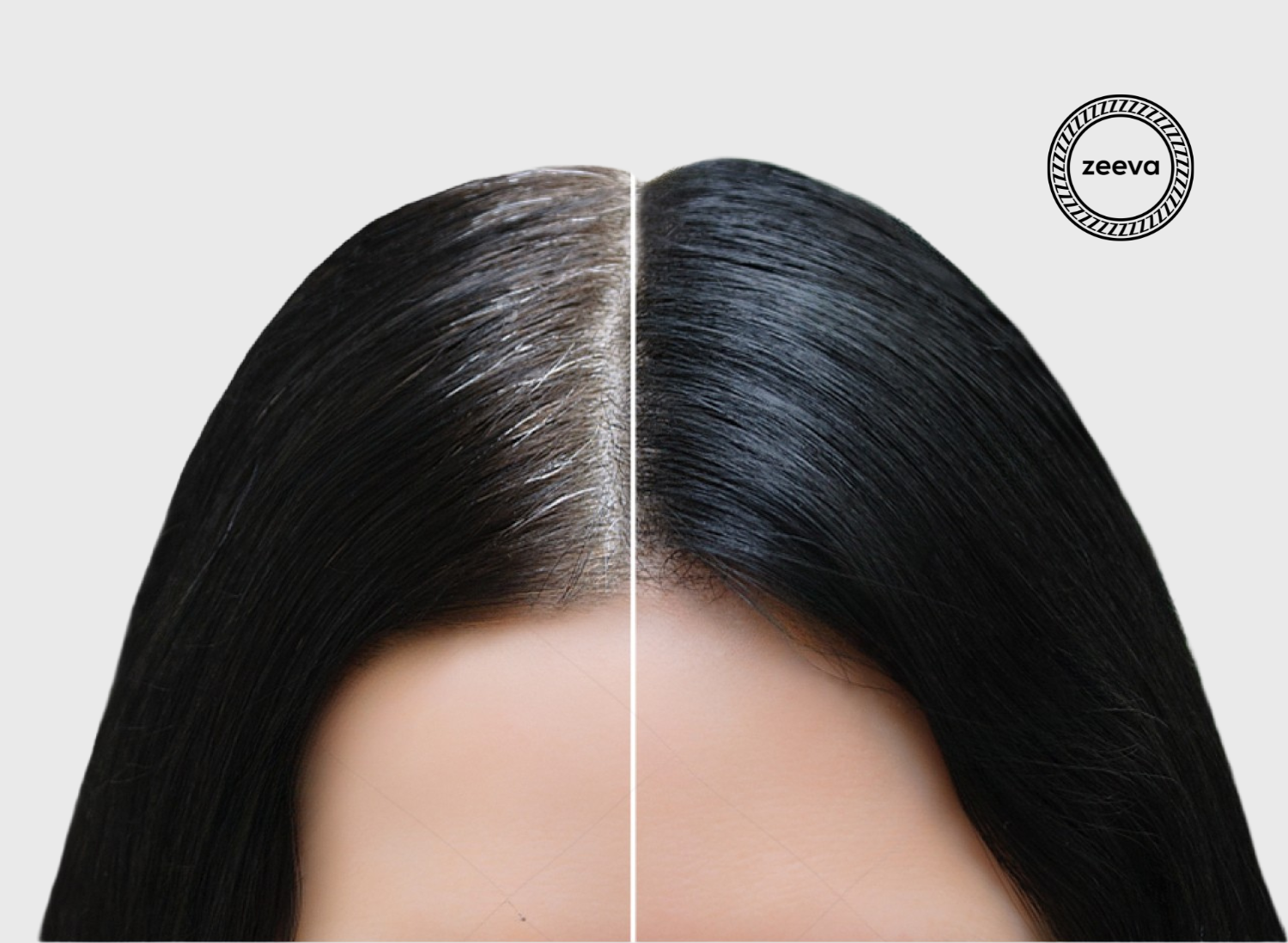
Graying hair, once considered an inevitable sign of aging, now increasingly affects people in their 20s and even teens, impacting confidence and raising questions about whether it can be slowed or reversed. At Zeeva Clinic, we regularly address concerns about premature gray hair. Using insights from Dr. Anchal Shah, this blog explores why hair turns gray and what you can do about it.
The science of gray hair
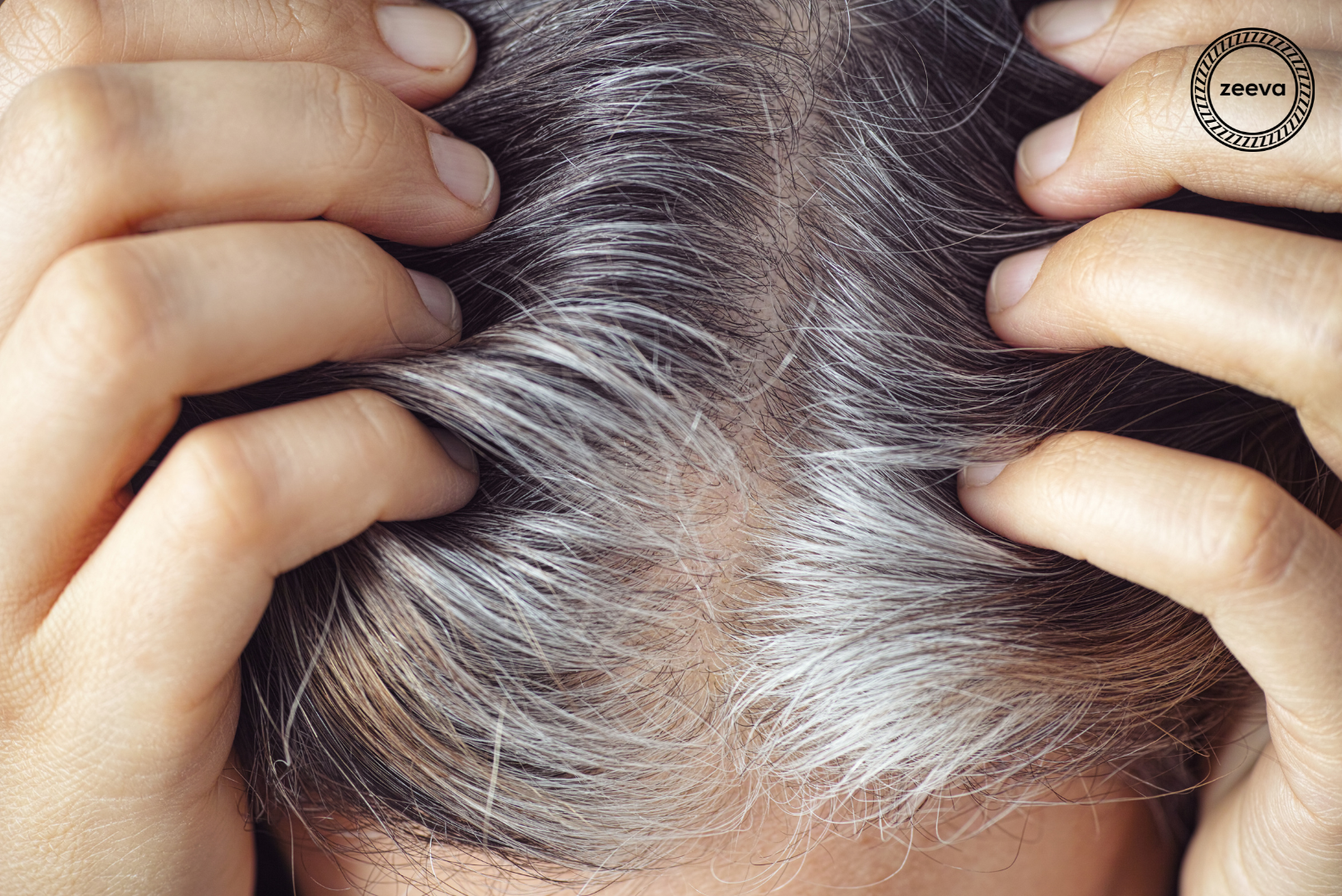
Hair color comes from melanin, produced by specialized cells called melanocytes that live within the hair follicle. Melanin comes in two forms: eumelanin (responsible for dark, brown, and black hues) and pheomelanin (responsible for red and yellow tones). As melanocytes reduce melanin production over time, hair transitions from its original color to gray and eventually white.
While this process typically begins in the 30s, premature graying can occur much earlier due to a combination of genetic and environmental factors.
Causes of premature gray hair
Genetics
Family history is the strongest predictor of early graying. Specific genes, including IRF4, which regulates melanin production, influence when and how quickly your hair loses pigment. If your parents went gray early, there's a high likelihood you will too.
Nutritional deficiencies
Deficiencies in vitamins B12, D, and E, as well as minerals like iron and copper, can reduce melanin production and accelerate graying. These deficiencies are particularly common in India due to dietary patterns, making nutritional assessment an important part of managing premature graying.
Hormonal factors
Conditions like thyroid disorders (both hypothyroidism and hyperthyroidism) and autoimmune conditions like vitiligo can disrupt pigmentation pathways, causing gray or white hair to appear prematurely.
Chronic stress
Chronic stress triggers oxidative stress, which damages melanocytes and impairs their ability to produce melanin. Research has shown that high cortisol levels, the hallmark of chronic stress, are directly linked to accelerated hair graying. This is one area where lifestyle intervention can genuinely make a difference.
Environmental factors
Pollution, UV exposure, and smoking are all known to increase oxidative damage to melanocytes. Urban residents, especially in high-traffic areas, face elevated exposure to free radicals that accelerate the graying process.
Prevention and management
Diet
Prioritize foods rich in B vitamins (eggs, dairy, meat, fortified cereals), iron (spinach, lentils, red meat), copper (nuts, seeds, shellfish), and antioxidants (berries, leafy greens). Addressing nutritional deficiencies through diet and supplementation can slow premature graying in some cases.
Stress management
Practices like yoga, meditation, regular exercise, and adequate sleep reduce cortisol levels and oxidative stress, both of which protect melanocyte function.
Hair care
Use gentle, sulfate-free products. Protect hair from UV rays with a hat or UV-protective spray. Avoid excessive heat styling, which contributes to oxidative stress at the follicle level.
Natural remedies
Traditional remedies like amla (Indian gooseberry), curry leaf oil, and coconut oil massages have long been used in Ayurveda for hair health. While scientific evidence is limited, they are safe, nourishing, and worth incorporating into a hair care routine.
Can gray hair be reversed?
Fully reversing gray hair remains challenging. However, early intervention, particularly addressing nutritional deficiencies and reducing chronic stress, can slow the progression and, in some cases, help restore pigment to partially grayed follicles. At Zeeva Clinic, the medical team offers a holistic assessment that includes nutritional analysis, scalp health evaluation, and a personalized management plan.
If premature graying or hair health concerns are affecting your confidence, schedule a consultation with our hair experts at Zeeva Clinic, Ahmedabad.
Book your assessment
Get a personalised hair restoration plan